
Understanding GPR Utility Surveys PAS128
Ground Penetrating Radar (GPR) utility surveys are essential for modern construction and excavation projects, particularly in urban areas like Sussex, London, and beyond. The PAS128 standard ensures that these surveys meet high-quality benchmarks, reducing risks associated with underground utilities. In this article, we delve into the intricacies of GPR utility surveys, explore their importance, and highlight how compliance with PAS128 can elevate the quality of utility mapping. For comprehensive insights, consider checking out GPR Utility Surveys PAS128 Sussex to understand more about this vital service.
What is a GPR Utility Survey?
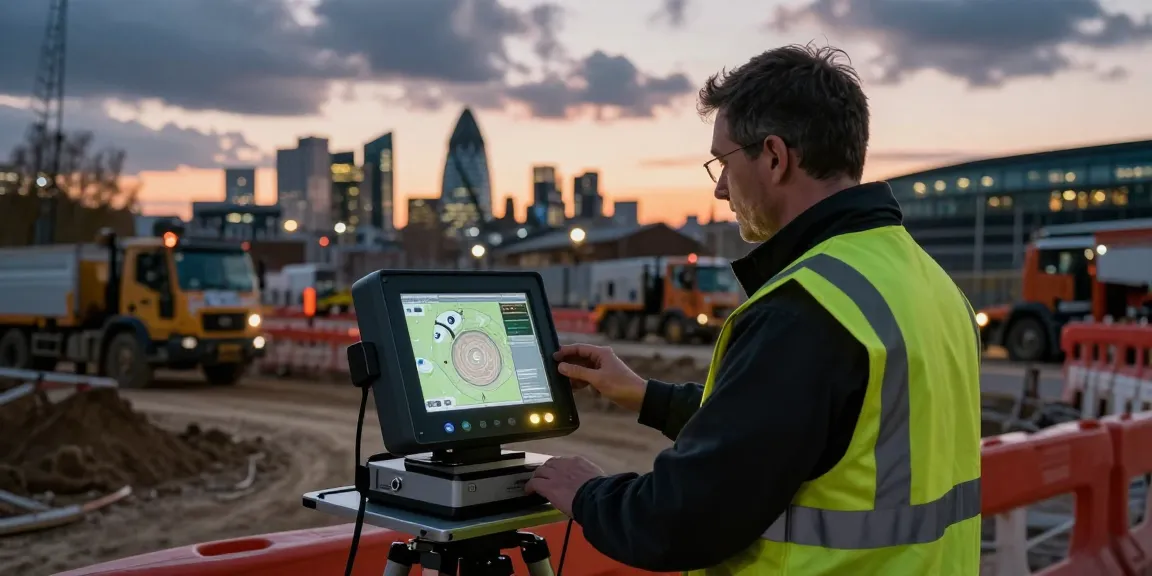
A Ground Penetrating Radar (GPR) utility survey is a geophysical method used to detect and map underground utilities by sending radar pulses into the ground. When these pulses encounter various subsurface materials, they reflect back to the surface, providing information about the depth and nature of the underground utilities. This method is particularly useful for locating pipelines, cables, and other utility infrastructures without the need for excavation. Utilising GPR technology allows surveyors to create detailed maps of existing underground utilities, facilitating safer excavation practices and effective project planning.
Importance of PAS128 Compliance
Compliance with the PAS128 standard is critical for any utility survey, as it establishes a framework for detecting, verifying, and mapping buried utilities reliably. The standard categorises utility surveys into different levels, ensuring that clients receive the necessary detail according to their specific project needs. By adhering to PAS128, surveyors can mitigate the risks of utility strikes during construction, ensuring both safety and efficiency. Furthermore, compliance fosters trust and credibility in the surveying process, as clients can rely on the accuracy of the provided data.
Applications of GPR Utility Surveys in Sussex
GPR utility surveys have a wide range of applications in Sussex, particularly in urban and developing areas. From constructing new buildings to repairing existing infrastructure, these surveys provide critical data that informs decision-making. Furthermore, they play an essential role in:
- Identifying and locating utilities prior to excavation
- Assessing the condition of existing underground infrastructure
- Minimising disruptions during construction and maintenance activities
- Ensuring compliance with local regulations and safety standards
Key Benefits of GPR Utility Surveys in 2026
Improved Safety in Excavation Projects
Safety is paramount in excavation projects, and GPR utility surveys significantly enhance it by providing a clear picture of underground utilities. By accurately mapping the location of pipes, cables, and other utilities, potential hazards during excavation can be avoided. This proactive approach not only safeguards workers but also protects the integrity of the utilities themselves, reducing the risk of service disruptions.
Cost-Effectiveness and Time Efficiency
Investing in GPR utility surveys can lead to substantial cost savings in the long run. By identifying and mapping underground utilities before excavation begins, project teams can avoid costly delays and damages that might arise from accidental utility strikes. Additionally, GPR surveys can be conducted quickly and non-destructively, allowing construction projects to stay on schedule and within budget.
Enhanced Data Accuracy and Reliability
The accuracy of data provided by GPR utility surveys is one of their most significant advantages. Utilising advanced GPR technology allows surveyors to generate detailed and reliable information about the depth, size, and type of underground utilities. This enhanced accuracy is crucial for effective project planning and risk management, ensuring that all stakeholders are well-informed about the site conditions.
Challenges and Solutions in Conducting GPR Surveys
Common Misconceptions about GPR Technology
Despite its growing popularity, several misconceptions surround GPR technology. One common myth is that GPR can detect all types of underground utilities regardless of material. In reality, while GPR is highly effective for locating non-metallic and metallic utilities, various factors such as soil composition and moisture content can influence its performance. Understanding these limitations is essential for setting accurate expectations.
Addressing Limitations of Ground Penetrating Radar
While GPR technology has proven effective, it’s important to acknowledge its limitations. Factors such as high metal content, wet soil conditions, and presence of concrete can interfere with radar signals, leading to inaccurate readings. Surveyors can address these issues by combining GPR with other detection methods, such as electromagnetic induction, to enhance the reliability of the results.
Best Practices for Effective Surveys
To ensure the best outcomes from GPR utility surveys, practitioners should adhere to several best practices, including:
- Conducting a thorough desktop study to gather existing utility records
- Implementing a systematic approach during the survey to cover the entire area
- Regularly calibrating GPR equipment to ensure optimal performance
- Providing comprehensive training for survey staff to enhance data interpretation skills
Case Studies: Successful GPR Surveys in Sussex
Highlighting Notable Projects and Findings
Several notable projects in Sussex have successfully utilised GPR utility surveys to achieve their objectives. For instance, during a major redevelopment project in Brighton, GPR surveys revealed previously undocumented utilities, allowing for safe excavation and minimising project delays. Such case studies underline the practical benefits of employing GPR technology in utility surveying.
Client Testimonials and Feedback
Client insights have further illustrated the value of GPR utility surveys. Many have reported enhanced confidence in their excavation projects due to the accurate data provided by these surveys, leading to fewer incidents of utility strikes and a smoother construction process. Positive feedback highlights that clients appreciate both the efficiency and reliability of GPR surveying methods.
Innovative Techniques and Technologies Used
Additions to the field of GPR technology continue to enhance the capabilities of utility surveys. Innovations such as multi-channel GPR systems and enhanced data processing software allow for more detailed imaging and faster data analysis, thereby improving the overall effectiveness of utility surveys. These advancements ensure that services like GPR utility surveys remain at the forefront of utility detection techniques.
Future Trends in Utility Surveying and GPR Technologies
Emerging Technologies in Underground Mapping
As technology continues to advance, the field of utility surveying is set to benefit from new developments. Emerging technologies such as machine learning and AI-driven data analysis are poised to revolutionise GPR surveys, increasing their accuracy and efficiency. These innovations will facilitate better predictions of subsurface conditions, ultimately leading to safer and more efficient excavation practices.
Predictions for the Future of GPR Surveys
Looking ahead, GPR surveys will likely become even more integral to construction and civil engineering projects. The increasing complexity of urban environments and the need for meticulous planning mean that the demand for accurate utility mapping will only rise. Continuous advancements in technology will ensure that GPR remains a pivotal tool for utility detection and mapping.
Preparing for Regulatory Changes in 2026
As regulations around construction and excavation evolve, utility surveyors must stay ahead of the curve. In 2026, it’s anticipated that further regulations regarding underground utility mapping will be implemented, potentially impacting how surveys are conducted. Staying informed and adapting to these changes will be essential for maintaining compliance and ensuring project success.
What are the most important aspects of a PAS128 Utility Survey?
The essential components of a PAS128 utility survey include a detailed desktop study, site reconnaissance, geophysical survey using GPR and other methods, verification of identified utilities, and thorough data processing and reporting. Each of these elements contributes to a comprehensive understanding of the underground utility landscape, ensuring that projects can proceed safely and efficiently.
How can businesses ensure compliance with PAS128 standards?
To ensure compliance with PAS128 standards, businesses must invest in training for their staff, utilise state-of-the-art surveying equipment, and adhere to the prescribed methods for utility detection. Regular audits and reviews of survey processes can help maintain high standards and ensure that the survey outcomes align with PAS128 requirements.
What technologies do GPR surveyors use in Sussex?
GPR surveyors in Sussex utilise a range of advanced technologies to conduct their surveys, including high-frequency GPR systems, electromagnetic induction devices, and data processing software. These tools enable them to detect a variety of underground utilities accurately, enhancing the reliability of their surveys.
What is the cost of utility surveys in Sussex?
The cost of utility surveys in Sussex can vary widely based on factors such as project complexity, site conditions, and the specific technologies employed. However, investing in a GPR utility survey is often more cost-effective than the potential costs associated with utility strikes and project delays.
How does GPR technology improve excavation safety?
GPR technology improves excavation safety by providing a clear and detailed picture of underground utilities, allowing project teams to plan their work more effectively. By knowing the exact location and depth of pipes and cables, the chances of accidental strikes during excavation are drastically reduced, safeguarding both workers and infrastructure.