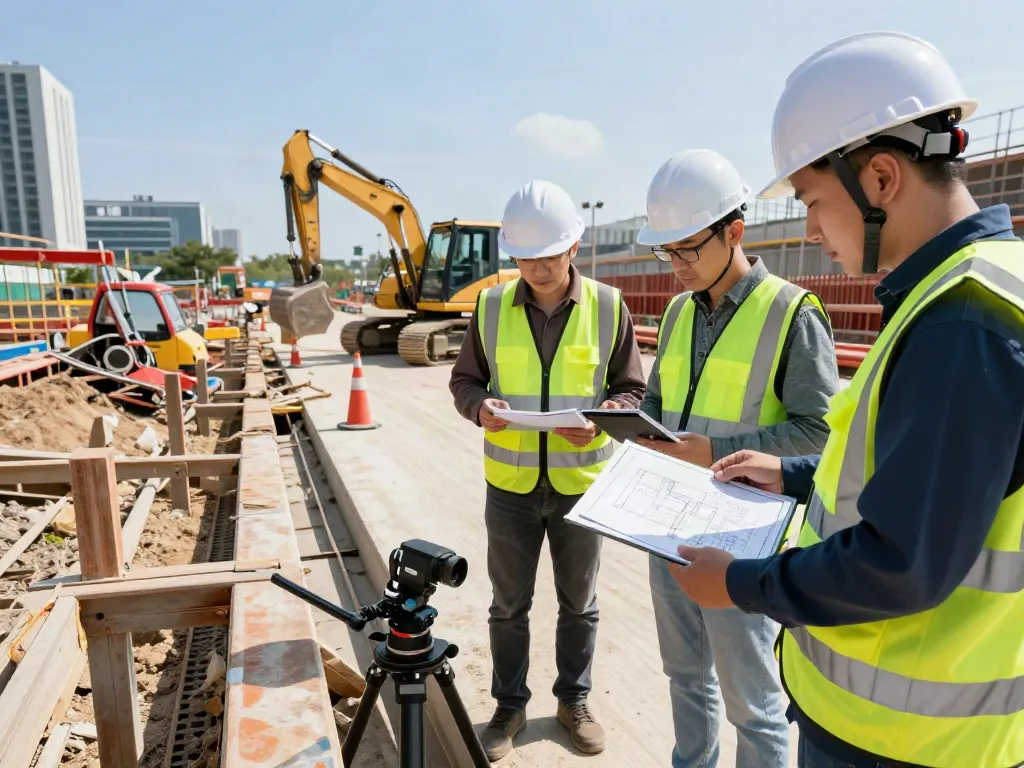
Understanding CCTV Drainage Surveys
CCTV drainage surveys have become an essential service for identifying and resolving drainage issues efficiently. These surveys utilize advanced camera technology to inspect underground drainage systems, enabling property owners, developers, and civil engineers to maintain optimal drainage functionality. The importance of using reliable Drainage Surveyors Surrey cannot be overstated, as they provide in-depth insights that are crucial when dealing with both residential and commercial properties.
What is a CCTV Drainage Survey?
A CCTV drainage survey is a sophisticated method of inspecting drainage systems using high-resolution cameras. These cameras are inserted into the drainage pipes, allowing surveyors to visualise the condition of the internal pipework without the need for excavation. The footage captured offers a real-time view of the drainage network and is invaluable for diagnosing problems such as blockages, leaks, or structural weaknesses.
How CCTV Surveys Work for Drainage Inspection
During a typical CCTV drainage survey, a drainage surveyor will deploy a camera through the pipe system. They employ various tools and techniques to assess the condition of the pipes and identify potential issues. The process generally involves the following steps:
- Preparation: Assessing the site and gathering relevant information regarding the drainage layout.
- CCTV Inspection: Inserting the camera into the drain and capturing live footage.
- Data Analysis: Reviewing the footage to identify any defects or issues.
- Reporting: Compiling the findings into a comprehensive report.
Benefits of CCTV Drainage Surveys in Surrey
CCTV drainage surveys offer numerous benefits that can save time and money while ensuring the integrity of drainage systems. Here are some key advantages:
- Non-invasive inspection: No excavation required, preserving landscaping and property.
- Real-time analysis: Immediate insights into drainage conditions, allowing for prompt action.
- Detailed reporting: Professional reports that outline findings and recommendations.
- Cost-effective: Early detection of issues prevents costly repairs and damages.
Key Features of Professional Drainage Surveyors
Essential Tools for Effective Drainage Inspection
Professional drainage surveyors use a variety of advanced tools to ensure effective inspections. These include:
- CCTV cameras equipped with high-resolution imaging capabilities.
- Ground Penetrating Radar (GPR) for locating buried pipelines.
- Laser profiling tools to measure pipe diameters and alignments.
- Remote-operated vehicles (ROVs) for accessing difficult-to-reach areas.
Qualifications and Certifications of Drainage Surveyors
To perform CCTV drainage surveys effectively, drainage surveyors must possess certain qualifications and certifications. These typically include:
- Accreditations from recognised bodies, ensuring compliance with industry standards.
- Training in health and safety protocols, particularly for working in confined spaces.
- Experience in using specific surveying equipment and software.
Analysing CCTV Footage for Accurate Reporting
The analysis of CCTV footage is a crucial aspect of drainage surveys. Surveyors look out for various indicators of structural integrity, such as:
- Cracks or fractures in the pipe walls.
- Misaligned joints or connections.
- Accumulations of debris or tree roots causing blockages.
The Importance of Detailed Drainage Reports
Understanding WinCan Software for Reporting
WinCan is a leading software used for generating detailed drainage reports. It allows surveyors to compile data efficiently, analysing the condition of drainage systems with precision. Reports generated through WinCan typically include:
- Visual representation of the survey.
- Condition grading of the pipework.
- Recommendations for maintenance or repairs.
How CAD Drawings Enhance Survey Insights
Alongside detailed reports, CAD drawings provide a comprehensive visual representation of the drainage system. These drawings help in:
- Understanding the layout and flow direction of drainage pipes.
- Identifying potential areas for improvement or modification.
- Facilitating planning and compliance with local regulations.
Importance of Comprehensive Condition Reports
A comprehensive condition report is essential for property owners and developers. It serves as a roadmap for addressing current issues and preventing future problems. Key elements of a condition report often include:
- Executive summary with compelling visuals.
- Detailed findings of the condition of the drainage network.
- Actionable recommendations and remedial actions.
Common Drainage Issues Identified by CCTV Surveys
Identifying Blockages and Structural Problems
CCTV surveys allow for the early detection of various drainage issues, including:
- Blockages caused by debris accumulation or root intrusion.
- Structural issues such as cracks, corrosion, or collapsing pipes.
Common Misconceptions about Drainage Surveys
Many property owners hold misconceptions about drainage surveys, such as the belief that they are unnecessary or too costly. The truth is that these surveys can save significant amounts of money through early detection and remediation.
Real-life Case Studies from Surrey
Case studies from Surrey illustrate the effectiveness of CCTV drainage surveys in various scenarios. For example, a recent project in Guildford unveiled severe blockages caused by tree roots, allowing for timely intervention and the prevention of costly damages.
Future Trends in Drainage Surveying
Emerging Technologies in Drainage Inspection
The drainage surveying industry is witnessing a technological revolution. Innovations such as AI-driven analysis and drones for aerial surveys are set to enhance inspection accuracy and efficiency.
Predictions for the Drainage Industry by 2026
By 2026, it is expected that the drainage surveying industry will increasingly rely on digital technologies, leading to improved reporting standards and better compliance with building regulations.
How Local Regulations Impact Drainage Surveying
Understanding local regulations regarding drainage systems is crucial. Drainage surveyors must keep abreast of any legislative changes that may impact how surveys are conducted and reported.
What are the costs associated with drainage surveys?
The costs for drainage surveys can vary significantly based on various factors, including the size and complexity of the drainage system, location, and specific services required. Having a clear understanding of these costs is essential before commissioning a survey.
Is a drainage survey worth the investment?
Investing in a drainage survey is typically worthwhile, as it can prevent costly issues down the line. Identifying problems early often leads to lower repair costs and aids in maintaining property value.
How long does a drainage survey typically take?
The duration of a drainage survey varies, depending on the system's complexity. Generally, a residential survey may take a couple of hours, while larger commercial inspections might require a full day or more.
What qualifications should a drainage specialist have?
A qualified drainage specialist should possess relevant certifications, experience in conducting various types of drainage surveys, and a thorough knowledge of health and safety protocols.
How do I choose the right drainage surveyors in Surrey?
Selecting the right drainage surveyors involves considering their experience, qualifications, customer reviews, and the range of services offered. It's crucial to choose surveyors who utilise advanced technology and adhere to industry regulations.