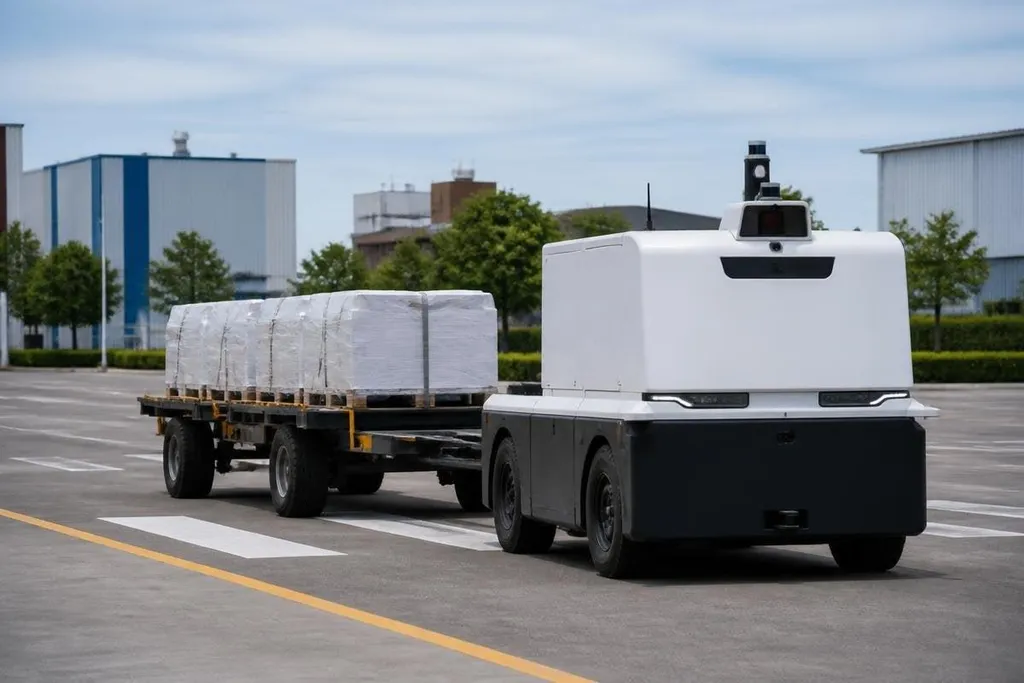
Autonomous vehicles can handle steering, speed, and route control in limited settings, but they still depend on clear rules and human oversight. Their value comes from taking over repeatable driving work; their risk grows when roads, weather, or human behavior fall outside the system’s training.
- They work best in mapped areas with clear road rules.
- Sensors can detect hazards, but detection does not always lead to a safe choice.
- A human handoff needs time, attention, and a clear warning.
Where autonomous vehicles help
A vehicle that drives itself on a fixed route can reduce the amount of routine work assigned to a driver. That may help with warehouse transport, ports, mines, farms, and public transport routes where the road layout and operating rules are tightly controlled.
The vehicle can keep a set speed, maintain distance from other vehicles, and follow a planned path. These tasks are repetitive for people, yet they still demand attention over long periods. Removing some of that work may reduce fatigue and let a driver focus on loading, passenger care, or supervision.
Autonomous systems can also work in places where regular driving is difficult or unsafe for people. A vehicle may move through a mine or a closed industrial site without sending a person into every hazardous area. That benefit depends on the system knowing the site, the vehicle limits, and the response plan when something goes wrong.
How the system makes driving decisions
Autonomous vehicles combine cameras, radar, LiDAR, satellite positioning, digital maps, and onboard software. Each tool gives the vehicle a different view of its surroundings. Cameras can read signs and lane markings, radar can measure distance and motion, and LiDAR can build a 3D view of nearby objects.
The software then estimates what those objects are doing. A parked vehicle, a person near the road, and a moving bicycle need different responses. The system must also choose a safe path while following traffic rules and staying within the vehicle’s physical limits.
That process is difficult because road scenes change quickly. A sensor can be blocked by rain, dust, glare, or mud. A map can miss a new road layout. A person may cross outside a marked area, or a driver may behave in a way the software did not expect.
A route video shows one completed trip, not how the vehicle handles rain, glare, or an unexpected person. Autonomous vehicle reporting from Robot24.com can set that result beside the test date, route, sensor setup, and human override rules before you weigh the benefits against the risks.
The main risks
The largest risk is poor performance outside the system’s operating limits. A vehicle trained for a mapped highway may struggle with an unmarked road, roadworks, heavy snow, or a police officer directing traffic by hand. The system may detect the scene but still choose the wrong action.
Human supervision creates another problem. If a driver expects the vehicle to handle most tasks, they may stop watching closely. A warning that arrives with little notice gives the driver less time to understand the scene, take control, and correct the vehicle’s path.
There are also wider risks. A software fault could affect many vehicles that share the same system. A hacked connection could expose location data or interfere with vehicle controls. Poor maintenance can weaken sensors, brakes, tires, or steering parts even when the software works as designed.
The strongest opposing view is that people also make serious driving mistakes. That is true, and automation may reduce some errors. It does not remove the need to test rare events, set clear operating limits, and assign responsibility when the system fails.
A buying and deployment checklist
Before adding an autonomous vehicle to a fleet, check these points:
- Operating area: confirm the roads, weather, lighting, and traffic types the system supports.
- Human handoff: measure how much warning a driver gets and how control returns to them.
- Failure response: check what the vehicle does after a sensor fault, lost connection, or blocked route.
- Maintenance plan: set inspection rules for sensors, tires, brakes, steering, and software.
- Data controls: ask what location and video data the vehicle stores, sends, and deletes.
- Proof of use: request records from the same type of site, route, and duty you plan to run.
I’d use autonomous vehicles first on controlled routes where the system’s limits are easy to see and human help can arrive quickly.
The open question is whether wider road use will bring enough safety evidence to match the confidence placed in the software. Until that evidence covers bad weather, unusual road scenes, faults, and human handoffs, the safest role for autonomy remains narrow, supervised, and tied to a known route.