Understanding Flooring Options: Laminate vs. Engineered Wood
Choosing the best flooring for living spaces can often be a daunting task, particularly when faced with the choice between laminate and engineered wood. Each option offers unique benefits and drawbacks, making the decision highly personal based on your budget, lifestyle, and aesthetic preferences. In this comprehensive guide, we’ll explore both choices in detail, highlighting their core differences, helping you make an informed decision tailored to your home and personal requirements. When exploring options, best floors for living spaces provides comprehensive insights into these distinctive flooring types.
What is Laminate Flooring?
Laminate flooring is a synthetic product composed of multiple layers, designed to mimic the appearance of real wood. The structure generally includes:
- Core Layer: Made from high-density fiberboard (HDF), it provides stability and strength.
- Design Layer: This is a high-resolution image of wood, creating a realistic look.
- Wear Layer: A clear protective coating that makes the floor resistant to scratches, stains, and fading.
Laminate flooring is celebrated for its affordability and durability, making it a popular choice among budget-conscious homeowners. Its easy installation process further solidifies its appeal, especially for DIY enthusiasts.
What is Engineered Wood Flooring?
Engineered wood flooring, on the other hand, features a real hardwood top layer bonded to a core of plywood or high-density fiberboard. This structure allows for natural wood aesthetics while improving stability and moisture resistance. Key characteristics include:
- Real Hardwood Surface: Often sourced from various tree species, providing authentic look and feel.
- Multi-Layer Construction: Each layer is designed to counteract warping and buckling caused by humidity variations.
- Flexibility: Suitable for various spaces, including basements and kitchens, where solid wood might not perform adequately.
Engineered wood is considered a premium option due to its natural properties and longevity, making it a worthwhile investment for homeowners looking for quality and aesthetics.
Key Differences and Similarities
When diving into the core differences between laminate and engineered wood flooring, several factors emerge:
- Material Composition: Laminate is entirely synthetic, while engineered wood consists of real wood.
- Cost: Laminate is typically less expensive, making it attractive for budget-minded projects.
- Durability: Although laminate offers better resistance to scratches and stains, engineered wood can be refinished, extending its life cycle.
- Aesthetic Appeal: Engineered wood provides a more authentic look, with natural wood textures and variations.
- Moisture Resistance: While laminate is water-resistant, engineered wood can also handle moisture when sealed appropriately.
Ultimately, the choice between laminate and engineered wood will depend on your specific needs and preferences.
Budget Considerations for Homeowners
Cost Comparison of Laminate and Engineered Wood
Understanding the financial implications of your flooring choice is pivotal. The average cost of laminate flooring ranges from £10 to £25 per square meter, making it one of the most budget-friendly options in the market. Engineered wood, conversely, tends to be more expensive, with prices ranging from £30 to £120 per square meter, depending on the quality of the wood and the brand.
When evaluating your budget, remember to factor in potential installation costs, especially if you opt for professional installation over DIY.
Long-Term Value: Is It Worth the Investment?
While laminate flooring offers an affordable upfront cost, it may not provide the long-term value that engineered wood can deliver. Engineered wood’s ability to be refinished allows it to last longer, making it a more sustainable choice for homeowners who plan to stay in their homes for years. Consider the following:
- Resale Value: Homes with high-quality flooring tend to sell for more, and engineered wood can significantly enhance your home’s appeal.
- Maintenance Costs: Engineered wood may require more investment initially but could save on replacements in the long run.
Ultimately, the decision should align with how long you plan on living in your home and how much you’re willing to invest upfront versus over time.
Best Budget-Friendly Options
If you’re navigating tight budgets, consider looking for laminate options that offer warranties of at least 10 years, signaling durability. Brands like Quick-Step provide a range of affordable yet stylish laminate options without compromising quality. On the engineered wood front, sales and clearance sections from reputable retailers can provide a luxurious look without the premium price tag.
Choosing the Right Flooring Based on Lifestyle
Durability and Maintenance for Families
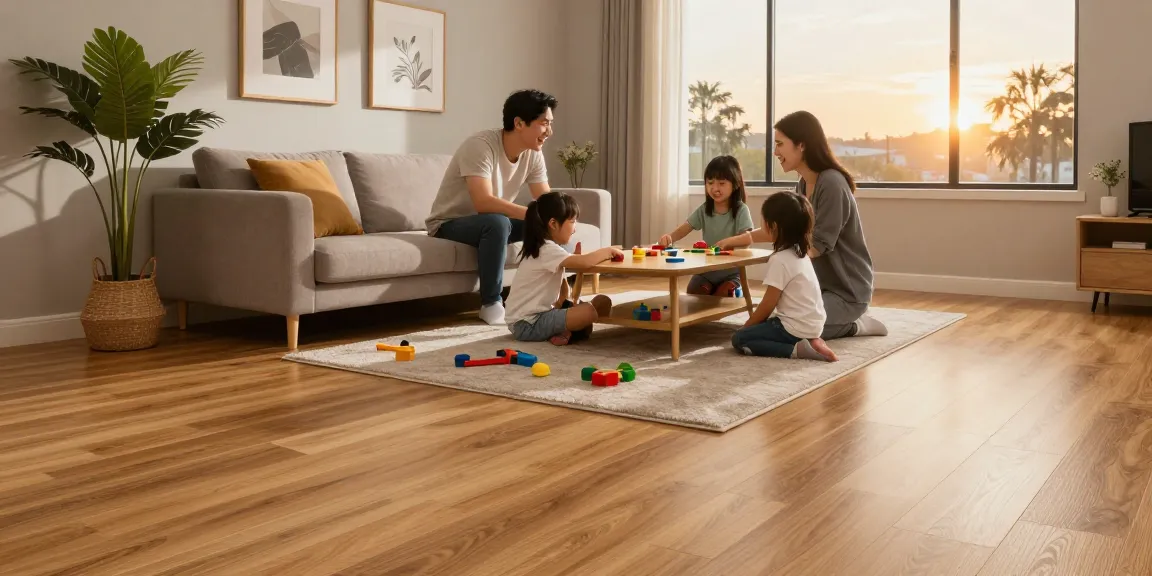
For families with pets and young children, choosing durable flooring is essential. Laminate flooring is typically more resilient to scratches and spills, making it well-suited for active households. In contrast, engineered wood requires more care but can withstand everyday wear if maintained properly. Regular cleaning and the use of protective pads under furniture can extend the lifespan of both flooring types.
Resale Value and Home Appeal
Choosing flooring with resale value in mind can be strategic. Engineered wood flooring can significantly elevate a home’s interior, appealing to potential buyers with its rich textures and authentic appearance. In contrast, while laminate is budget-friendly, it may not provide the same allure. Investing in engineered wood may yield higher returns on your property.
Eco-Friendly Choices for the Environmentally Conscious
For homeowners focused on environmental impact, engineered wood flooring typically carries fewer ecological burdens. Many manufacturers now source wood from sustainable forests, making it a more environmentally sound choice. Meanwhile, laminate flooring is made from composite materials that may not be as eco-friendly. If sustainability is a priority, look for flooring with certifications such as FSC (Forest Stewardship Council).
Design Aesthetics: Visual Appeal & Trends for 2026
Popular Styles and Finishes in Contemporary Homes
The aesthetics of flooring play a significant role in home design trends. In 2026, expect to see a continued preference for natural finishes that enhance the wood grain while offering a matte finish over gloss. Rich, dark wood tones paired with lighter decor are trending, as well as wide planks that create a sense of spaciousness.
How to Match Flooring with Home Decor
Matching your flooring with your home decor is essential for creating a cohesive look. For instance, light-colored laminate or engineered wood can brighten smaller spaces, while darker hues can add warmth and sophistication to larger rooms. Consider the overall color palette of your living spaces to ensure a harmonious design.
Future Design Trends in Wood Flooring
Future trends suggest a rise in multi-functionality regarding flooring. Options that can seamlessly transition between spaces will gain popularity. Additionally, technology integration, such as soundproofing and moisture resistance, will define modern flooring choices, catering to evolving homeowner needs.
FAQs about Flooring Choices
How do laminate and engineered wood perform in high-moisture areas?
Laminate is generally more moisture-resistant, making it preferable in high-moisture areas like kitchens and bathrooms. However, with proper sealing and maintenance, engineered wood can also perform satisfactorily, allowing for flexibility in design.
What factors should be considered when choosing flooring for pets?
Durability and scratch resistance are key when selecting flooring for homes with pets. Laminate tends to handle scratches better, while engineered wood can be prone to damage from claws. Consider finishes that increase durability and ease cleaning for both options.
Are there DIY installation options for laminate and engineered wood?
Both laminate and engineered wood offer DIY-friendly installation methods, particularly those with click-lock systems. However, engineered wood may require more specialized tools for cutting and fitting, making laminate generally easier for DIYers.
How can I maintain my laminate or engineered wood floors?
Regular sweeping and occasional mopping with appropriate cleaners can help maintain both types of flooring. For engineered wood, occasional refinishing can restore its original beauty, while laminate may require a simple cleaning solution to remove stains.
What environmental certifications should I look for in flooring?
Look for certifications like the FSC for sustainable forestry practices, as well as Greenguard certification, which indicates low emissions of volatile organic compounds (VOCs). These certifications ensure that your flooring choice contributes positively to both your health and the environment.